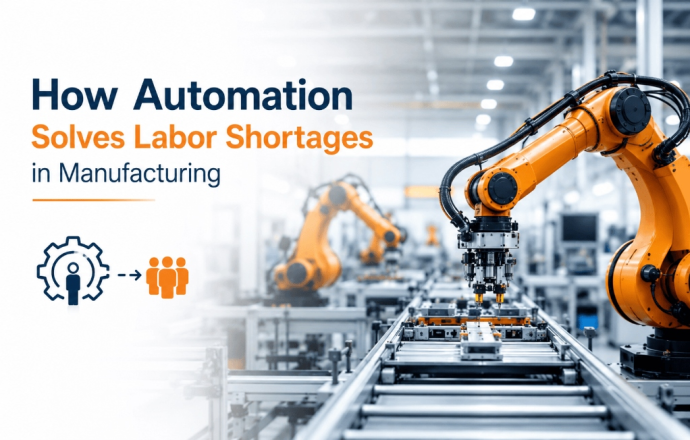
Industrial machines are the backbone of manufacturing, construction, food processing, packaging, automotive, and many other industries. Modern machines are faster, smarter, and more efficient than ever, but they still require regular maintenance and proper operation. Even a small machine problem can stop production, increase repair costs, and reduce product quality.
The good news is that most industrial machine problems can be prevented or fixed with the right maintenance practices. In this guide, we explain the most common industrial machine issues, their causes, and the best solutions to keep your equipment running smoothly.
Why Industrial Machine Maintenance Matters
Every minute of machine downtime can affect production schedules and business profits. Regular maintenance helps businesses:
✓
Reduce unexpected breakdowns
✓
Improve machine performance
✓
Extend equipment lifespan
✓
Increase workplace safety
✓
Lower repair and replacement costs
✓
Maintain consistent product quality
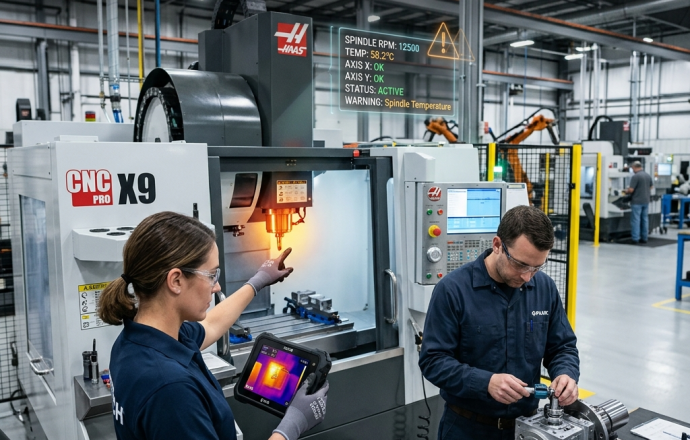
Today, many industries also use predictive maintenance technologies such as IoT sensors, vibration monitoring, thermal imaging, and AI-based analytics to detect problems before they become major failures.
10 Common Industrial Machine Problems and Their Solutions
01
Machine Overheating
Overheating is one of the most common issues in industrial equipment. High temperatures can damage internal components and reduce machine efficiency.
⚠️ Common Causes
• Poor ventilation around equipment
• Low lubricant levels or degraded oil
• Blocked internal cooling systems
• Excessive workload beyond rated limits
• Dirty intake air screens and filters
✓ Best Solutions
✓ Clean cooling fans and air filters regularly
✓ Check coolant and lubricant levels
✓ Ensure proper airflow around the machine
✓ Avoid operating equipment beyond capacity
✓ Monitor operating temperature using sensors
02
Excessive Vibration
Unusual vibration often indicates mechanical problems that can become serious if ignored.
⚠️ Common Causes
• Misaligned shafts or rotating components
• Worn or loose mechanical bearings
• Loose foundation anchor bolts
• Unbalanced rotating parts or impellers
• Damaged or bent drive shafts
✓ Best Solutions
✓ Inspect moving parts regularly
✓ Tighten loose fasteners and anchor bolts
✓ Replace worn bearings immediately
✓ Perform precision laser shaft alignment
✓ Balance rotating equipment during maintenance
Using vibration monitoring systems can help identify problems before equipment fails.
03
Lubrication Problems
Proper lubrication reduces friction and wear between moving parts. Poor lubrication is a leading cause of machine failure.
⚠️ Common Causes
• Incorrect viscosity or lubricant type
• Low lubricant levels in sumps
• Contaminated oil (dirt, water, metal particles)
• Irregular or skipped maintenance intervals
✓ Best Solutions
✓ Follow the manufacturer's lubrication schedule
✓ Use the recommended lubricant grade
✓ Replace contaminated oil immediately
✓ Install automatic lubrication systems for critical equipment
✓ Keep detailed lubrication records for every machine
04
Electrical Failures
Industrial machines rely heavily on electrical systems. Electrical faults can stop production without warning.
⚠️ Common Causes
• Loose wiring connections inside panels
• Power voltage fluctuations or voltage spikes
• Damaged, frayed, or brittle power cables
• Faulty proximity switches or optical sensors
• Overloaded electrical circuits or tripped breakers
✓ Best Solutions
✓ Inspect electrical connections regularly
✓ Replace damaged wires and connectors right away
✓ Use industrial-grade surge protection devices
✓ Test sensors and control panels routinely
✓ Schedule electrical inspections by qualified technicians
05
Bearing Failure
Bearings support rotating components and reduce friction. Damaged bearings can lead to major equipment breakdowns.
⚠️ Common Causes
• Poor lubrication (under or over greasing)
• Dirt and moisture contamination inside housing
• Excessive radial or thrust load
• Improper installation (hammering races directly)
• Mechanical shaft misalignment
✓ Best Solutions
✓ Lubricate bearings properly with correct grease
✓ Keep machines and bearing housings clean and sealed
✓ Replace worn bearings during scheduled maintenance
✓ Install bearings correctly using induction heaters
✓ Monitor bearing temperature and ultrasonic vibration
06
Hydraulic System Leaks
Hydraulic systems are widely used in industrial machinery because they provide powerful and precise movement.
⚠️ Common Causes
• Worn or degraded O-ring seals
• Damaged, cracked, or abraded hydraulic hoses
• Loose pipe fittings or threaded connectors
• High operating pressure spikes
• Aging internal hydraulic components
✓ Best Solutions
✓ Inspect hydraulic hoses frequently for wear
✓ Replace damaged seals and gaskets immediately
✓ Tighten loose fittings to specified torque limits
✓ Monitor hydraulic pressure gauges and relief valves
✓ Use high-quality, clean hydraulic fluid
Ignoring hydraulic leaks can reduce machine efficiency and create workplace safety risks.
07
Pneumatic System Problems
Many manufacturing plants use compressed air systems for automation and machine operation.
⚠️ Common Causes
• Compressed air leaks in fittings and hoses
• Moisture buildup and condensation in air lines
• Dirty or clogged FRL air filters
• Low air pressure drops across the facility
• Faulty solenoid or directional control valves
✓ Best Solutions
✓ Repair air leaks quickly using ultrasonic detectors
✓ Drain moisture from air tanks and install air dryers
✓ Replace inline air filters on schedule
✓ Maintain proper regulated operating pressure
✓ Inspect pneumatic valves and regulators regularly
08
Belt and Chain Wear
Belts and chains transfer power between machine components. Over time, they naturally wear out.
⚠️ Common Causes
• Improper tension (too tight or too loose)
• Pulley or sprocket misalignment
• Lack of chain lubrication (dry friction)
• Heavy shock loads or jamming
• Normal material fatigue and wear over time
✓ Best Solutions
✓ Check belt tension regularly with tension gauges
✓ Align pulleys and sprockets accurately
✓ Lubricate drive chains when required
✓ Replace worn or cracked belts before they break
✓ Inspect drive systems during routine maintenance
09
Sensor and Automation Issues
Modern industrial machines depend on sensors and automation systems for accurate operation.
⚠️ Common Causes
• Dirty optical lenses or proximity sensor faces
• PLC software or logic communication errors
• Damaged sensor signal wiring or EMI interference
• Calibration drift over extended operating periods
• Component aging and thermal fatigue
✓ Best Solutions
✓ Clean sensors carefully with lint-free wipes
✓ Update machine firmware and software when available
✓ Perform regular sensor recalibration routines
✓ Replace faulty or sluggish sensors proactively
✓ Test automation loops during preventive maintenance
10
Poor Machine Performance
Sometimes machines continue running but produce lower output or poor-quality products.
⚠️ Common Causes
• Worn internal components or mechanical play
• Improper operating speeds or feed parameters
• Lack of routine preventive maintenance
• Tool wear, dull blades, or worn grinding wheels
• Process variation or inconsistent raw material quality
✓ Best Solutions
✓ Inspect and adjust machine settings regularly
✓ Replace worn tooling, inserts, and parts promptly
✓ Train operators on proper machine operation & speeds
✓ Monitor production quality and dimensional tolerance
✓ Perform rigorous, routine preventive maintenance
Best Practices to Prevent Industrial Machine Problems
Preventive maintenance is always more cost-effective than emergency repairs. Consider these 10 core best practices:
✓
Create a regular maintenance schedule
✓
Keep maintenance records for every machine
✓
Train operators to identify early warning signs
✓
Use genuine OEM replacement parts
✓
Monitor machine performance using digital tools
✓
Maintain clean working environments around equipment
✓
Check lubrication and cooling systems regularly
✓
Inspect electrical and hydraulic systems on schedule
✓
Replace worn components before failure occurs
✓
Invest in predictive maintenance technologies
The Future of Industrial Machine Maintenance
Industries are increasingly adopting smart maintenance strategies. Technologies such as Industrial Internet of Things (IIoT), artificial intelligence (AI), machine learning, and cloud-based monitoring allow businesses to detect faults in real time. These systems analyze machine data, predict failures, and help maintenance teams schedule repairs before unexpected breakdowns occur.
As Industry 4.0 continues to grow, predictive maintenance is becoming an essential part of improving productivity, reducing costs, and maximizing equipment life.
Conclusion
Industrial machines are valuable assets that require consistent care and maintenance. Problems such as overheating, bearing failure, lubrication issues, electrical faults, hydraulic leaks, and excessive vibration can reduce productivity and increase operating costs if left unresolved.
By following preventive maintenance schedules, using modern monitoring technologies, and addressing small issues before they become major failures, businesses can improve equipment reliability, reduce downtime, and extend the lifespan of their machinery. A proactive maintenance strategy not only protects your investment but also supports safer operations and long-term business success.