Industrial equipment is a long term investment for any business. Whether you run a manufacturing plant, food processing unit, construction company, warehouse, or engineering business, choosing the right machinery can improve productivity, reduce operating costs, and increase profits.
However, buying industrial equipment is not just about finding the lowest price. The right machine should match your production needs, meet safety standards, and deliver reliable performance for years. With new technologies like automation, IoT monitoring, and energy efficient systems becoming more common in 2026, businesses have more options than ever before.
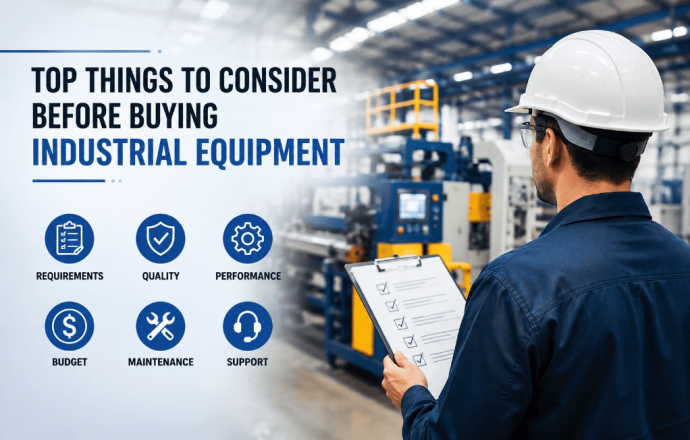
This guide explains the most important factors to consider before purchasing industrial equipment.
1. Understand Your Business Requirements
Before comparing machines, clearly define your business needs.
Ask yourself:
Buying equipment that is too small may reduce productivity, while purchasing oversized machinery can increase unnecessary costs.
Selecting equipment based on your current and future production goals is always a smarter investment.
2. Check Equipment Quality and Build
Industrial machinery should be built for long term use.
Look for equipment made from high quality materials with strong construction. Machines manufactured using durable steel, corrosion resistant parts, and premium components generally require fewer repairs and have a longer operating life.
High quality equipment also delivers more consistent performance and reduces unexpected downtime.
3. Compare Total Cost Instead of Purchase Price
Many buyers focus only on the initial purchase cost. However, the real cost of industrial equipment includes much more.
Consider:
Sometimes a machine with a slightly higher purchase price can save significant money over several years through lower operating costs.
4. Evaluate Energy Efficiency
Energy costs continue to increase, making energy efficient equipment a valuable investment.
Modern industrial machinery often includes:
Energy efficient machines reduce electricity bills while supporting environmental sustainability goals.
5. Verify Safety Features
Worker safety should always be a priority.
Ensure the equipment includes important safety features such as:
Machines that comply with national and international safety standards help create a safer workplace and reduce accident risks.
6. Consider Automation and Smart Features
Modern industrial equipment is becoming smarter every year.
Many machines now offer:
These features improve efficiency, reduce manual work, and help businesses monitor equipment performance in real time.
While not every business needs advanced automation, investing in future ready equipment can provide long term benefits.
7. Check Spare Parts Availability
Even the best equipment requires maintenance over time.
Before purchasing, confirm that spare parts are easily available. Questions to ask include:
Easy access to spare parts reduces production downtime and keeps operations running smoothly.
8. Review After Sales Support
Reliable after sales service is just as important as product quality.
Choose suppliers that provide:
Strong customer support helps businesses resolve issues faster and extend equipment life.
9. Choose the Right Supplier
Working with a trusted supplier provides confidence throughout the buying process.
A reliable supplier should offer:
Experienced suppliers can also recommend equipment that best matches your production requirements instead of simply selling the most expensive machine.
10. Think About Future Expansion
Business needs often grow over time.
When selecting industrial equipment, consider whether the machine can support:
Buying scalable equipment today can prevent expensive replacements in the future.
11. Inspect Warranty and Service Agreement
Always read the warranty terms before making a purchase.
Check:
A comprehensive warranty offers additional protection and reduces unexpected maintenance expenses.
12. Read Customer Reviews and Case Studies
Before finalizing your purchase, research the manufacturer's reputation.
Look for:
Real user experiences often provide valuable insights into equipment performance, reliability, and service quality.
Common Mistakes to Avoid
Many businesses make avoidable purchasing mistakes that increase costs later.
Avoid these common errors:
Careful planning helps maximize your return on investment.
Final Thoughts
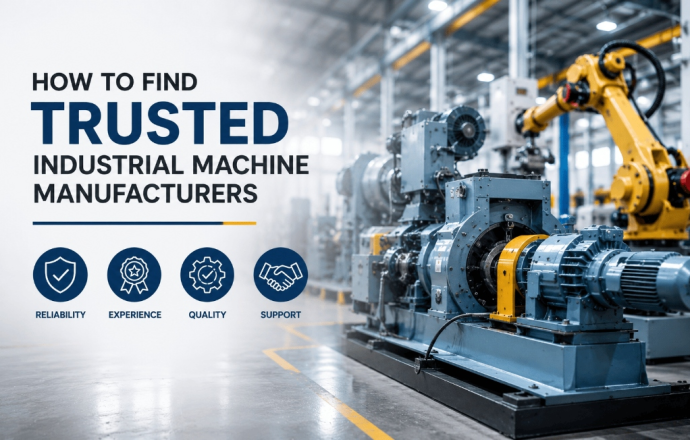
Buying industrial equipment is a major business decision that affects productivity, operating costs, and long term growth. Instead of focusing only on the purchase price, evaluate the equipment based on quality, efficiency, safety, maintenance, automation capabilities, and supplier support.
As industrial technology continues to evolve in 2026, businesses that invest in reliable and future ready equipment are better positioned to improve efficiency, reduce downtime, and stay competitive in their industry.
Frequently Asked Questions (FAQs)
What should I check before buying industrial equipment?
You should evaluate equipment quality, production capacity, energy efficiency, safety features, maintenance requirements, warranty, spare parts availability, and supplier reputation before making a purchase.
Is buying energy efficient industrial equipment worth it?
Yes. Energy efficient machinery helps reduce electricity costs, lowers operating expenses, and supports sustainable business operations.
Why is after sales support important?
Good after sales support ensures quick maintenance, easy access to spare parts, technical assistance, and reduced equipment downtime.
Q9 Shop Insights
Premier B2B directory and information hub for industrial machinery manufacturers, suppliers, and enterprise buyers across India.
Explore all articles →