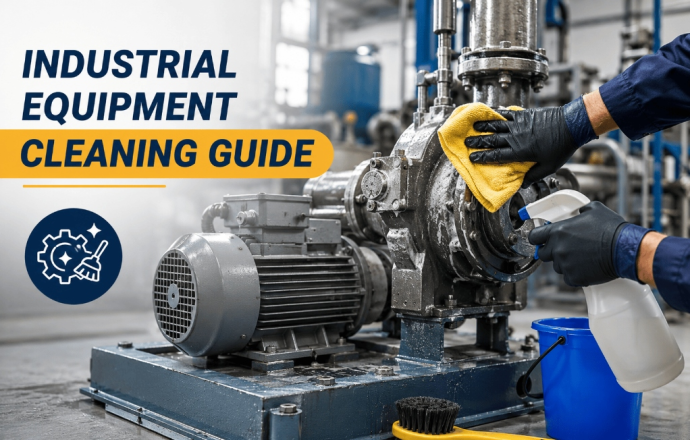
Industrial equipment is the backbone of manufacturing, food processing, construction, pharmaceuticals, packaging, and many other industries. Regular cleaning is not just about keeping machines looking good. It helps improve efficiency, prevents breakdowns, increases product quality, and extends the life of expensive equipment.
Dust, grease, oil, chemicals, food residue, and metal particles can build up over time. If not removed properly, these contaminants can reduce machine performance, increase maintenance costs, and even create safety risks.
This industrial equipment cleaning guide explains why cleaning is important, different cleaning methods, best practices, and tips to keep your machinery in excellent condition.
Why Industrial Equipment Cleaning Is Important
Dirty equipment works harder, consumes more energy, and is prone to mechanical failures. Implementing a structured cleaning schedule provides several key benefits:
Clean machines are reliable machines. Proactive hygiene prevents major production downtime.
Common Types of Dirt Found on Industrial Equipment
Different industries face distinct contamination challenges. Knowing the exact type of dirt allows you to select the correct cleaning method and chemical:
Using the wrong detergent or cleaning tool on stubborn residue can permanently scratch or corrode delicate machine surfaces.
Types of Industrial Equipment That Require Regular Cleaning
While almost all factory machinery benefits from sanitation, certain categories demand routine, rigorous cleaning to prevent catastrophic breakdowns or regulatory violations:
Each type of machinery requires customized sanitation protocols and chemical agents.
Best Industrial Equipment Cleaning Methods
No single cleaning method works for all industrial machinery. Here is a breakdown of the 6 proven industrial cleaning technologies:
1. Manual Cleaning
Involves brushes, scrapers, microfiber cloths, and manual degreasing solutions. Perfect for sensitive electronics and hard-to-reach intricate parts.
2. Pressure Washing
Uses high-pressure water jets (cold or hot) to strip heavy caked-on grease, mud, and external industrial grime.
3. Steam Cleaning
Applies dry vapor steam up to 300°F (150°C) to melt oil build-up and kill bacteria without using harsh chemicals or runoff water.
4. Chemical Cleaning (Clean-In-Place - CIP)
Circulates alkaline or acid chemical detergents through internal piping and vessels without dismantling the machine.
5. Ultrasonic Cleaning
Submerges small complex metal components inside a liquid tank agitated by high-frequency sound waves to clean microscopic crevices.
6. Dry Ice Blasting
Shoots solid CO2 pellets at supersonic speeds. The pellets vaporize instantly on impact, lifting heavy soot and paint without creating secondary liquid waste.
Step-by-Step Industrial Equipment Cleaning Process
Follow this 7-step standard operating procedure (SOP) to ensure safe and thorough machine cleaning:
Step 1: Turn Off and Lockout / Tagout (LOTO) the Equipment
Never clean operating machinery. Completely disconnect power, relieve hydraulic or pneumatic pressure, and apply LOTO padlocks before touching internal parts.
Step 2: Perform Initial Dry Inspection and Debris Removal
Use industrial vacuums, soft scrapers, or dry brushes to remove loose dirt, sawdust, and large chunks of debris before applying liquids.
Step 3: Apply the Appropriate Cleaning Solution
Spray the manufacturer-approved degreaser, alkaline detergent, or enzymatic cleaner. Allow it to sit for 5 to 15 minutes to break down stubborn oil and chemical bonds.
Step 4: Clean All Accessible Parts and Components
Scrub down surfaces and flush narrow channels. Pay extra attention to critical mechanical zones:
Step 5: Rinse and Thoroughly Dry the Machinery
Flush away chemical residue using clean water or damp cloths. Immediately blow dry using compressed air or industrial blowers to prevent instant flash rust.
Step 6: Re-Lubricate Moving Parts Immediately
Degreasers strip away protective oils. Re-apply fresh lubricating grease and machine oil onto bearings, chains, and linear rails right after drying.
Step 7: Inspect, Test Run, and Document the Maintenance
Remove LOTO locks, power on the machine, and conduct a brief test cycle. Check for:
Industrial Equipment Cleaning Safety Tips
Safety is paramount during deep plant maintenance. Ensure your team strictly obeys these 6 workplace rules:
Never compromise technician safety for speed during maintenance operations.
Common Cleaning Mistakes to Avoid
Avoid these costly operational errors during industrial cleaning:
Eliminating these mistakes ensures maximum equipment longevity.
Recommended Cleaning Frequency & Maintenance Schedule
To keep industrial machines operating at peak performance without disrupting production, divide your maintenance into 4 structured frequencies:
Daily Quick Clean & Inspection
Wipe down external control panels, clear conveyor scrap trays, empty chip filters, and check for oil or coolant drips after each shift.
Weekly Deep Clean & Sanitation
Power wash exterior frames, degrease accessible gears, clean air intake filters, check bearing grease, and sanitize food contact zones.
Monthly System Flush & Filter Checks
Flush hydraulic lines, perform CIP chemical cycles, inspect internal coolant tanks, check VFD heat sinks, and tighten loose seals.
Annual Comprehensive Overhaul
Disassemble major components, ultrasonic clean complex valves, dry ice blast heavy industrial boilers, replace all worn seals, and recalibrate sensors.
Adhering to this tiered schedule prevents dirt accumulation and keeps machinery operating like new.
Final Thoughts
Industrial equipment cleaning is not a chore—it is an essential operational strategy. By choosing the right cleaning method, establishing structured maintenance routines, avoiding harsh chemicals on delicate parts, and immediately re-lubricating moving components, you protect your company's most valuable physical investments.
Whether you manage high-speed food processing lines, heavy CNC machining centers, or complex chemical reactors, a clean plant is a productive, safe, and highly profitable plant.
Frequently Asked Questions (FAQs)
What is the best way to clean heavy grease from industrial machinery?
For heavy, caked-on industrial grease, a combination of hot pressure washing or dry vapor steam cleaning paired with an industrial alkaline degreaser is most effective. Allow the degreaser to penetrate for 10-15 minutes before rinsing.
Why must machinery be re-lubricated right after cleaning?
Degreasers and hot water strip away both dirt and essential protective oils from bare metal surfaces. Without immediate re-lubrication, oxygen and moisture cause instant flash rusting and rapid mechanical wear during startup.
Can pressure washing damage industrial equipment?
Yes, if used incorrectly. High-pressure water jets can force water past bearing seals, destroy electrical junction boxes, and damage sensitive sensors. Never pressure wash electrical control panels or unsealed bearings.
Q9 Shop Insights
Premier B2B directory and information hub for industrial machinery manufacturers, suppliers, and enterprise buyers across India.
Explore all articles →