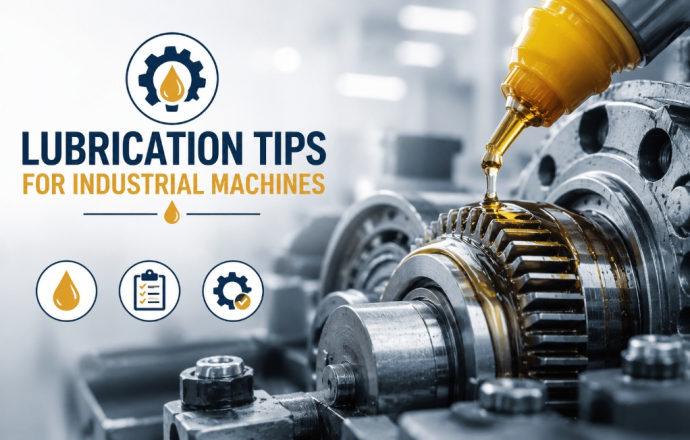
Industrial machines work under heavy load every day. Whether it is a manufacturing plant, food processing unit, construction site, or packaging facility, every machine depends on proper lubrication for smooth operation. Without the right lubrication, machine parts create more friction, generate excessive heat, wear out faster, and increase maintenance costs.
Proper lubrication is one of the simplest and most effective ways to improve machine performance, reduce downtime, and increase equipment lifespan. In this guide, you will learn the best lubrication tips for industrial machines, common mistakes to avoid, and maintenance practices that help keep your equipment running efficiently.
Why Lubrication Is Important for Industrial Machines
Lubrication creates a protective layer between moving machine parts. This reduces direct metal-to-metal contact and helps machines operate smoothly.
Benefits of proper lubrication include:
Regular lubrication is a small investment that delivers long-term savings.
Choose the Right Lubricant
Not every lubricant is suitable for every machine. Selecting the correct lubricant is the first step toward better machine performance.
Common lubricant types include:
Mineral Oil
Mineral oil is widely used in general industrial equipment. It provides reliable lubrication at an affordable cost.
Synthetic Oil
Synthetic lubricants perform better under extreme temperatures and heavy operating conditions. They also last longer than conventional oils.
Grease
Grease is ideal for bearings, gears, and components where liquid oil cannot stay in place. It provides long-lasting protection and reduces leakage.
Food Grade Lubricants
Food processing and pharmaceutical industries should always use food-grade lubricants that meet industry safety standards.
Always follow the machine manufacturer's lubrication recommendations for the correct oil type, viscosity, and performance grade.
Follow a Regular Lubrication Schedule
One of the biggest reasons machines fail is inconsistent lubrication.
Create a preventive maintenance schedule that includes:
Using a maintenance calendar or computerized maintenance management system helps ensure no lubrication task is missed.
Keep Lubricants Clean
Even the best lubricant cannot protect machinery if it becomes contaminated.
Common contaminants include:
Store lubricants in clean, sealed containers and always use clean dispensing equipment. Replace damaged seals immediately to prevent contamination.
Use the Correct Amount of Lubricant
More lubricant does not always mean better protection.
Over-lubrication can cause:
Under-lubrication can result in:
Always apply the amount recommended by the equipment manufacturer.
Monitor Oil Condition Regularly
Checking oil quality helps identify machine problems before they become serious.
Look for signs such as:
Many industries now perform oil analysis to monitor lubricant condition and detect internal wear early.
Lubricate Bearings Properly
Bearings are among the most critical components in industrial machinery.
Good bearing lubrication helps:
Use the correct grease type and lubrication interval for each bearing application.
Check Operating Temperature
High operating temperatures can reduce lubricant effectiveness.
Excessive heat causes:
Monitor equipment temperatures regularly and investigate any unusual increase immediately.
Replace Old Lubricant on Time
Lubricants naturally degrade over time due to heat, pressure, and contamination.
Do not wait until the lubricant completely fails.
Replace lubricants based on:
Timely oil replacement protects expensive machine components.
Label Lubricants Clearly
Using the wrong lubricant can cause serious machine damage.
Keep every lubricant container properly labeled with:
This reduces confusion during maintenance.
Train Maintenance Staff
Even high-quality lubricants will not deliver good results if applied incorrectly.
Maintenance teams should understand:
Regular staff training improves maintenance quality and equipment reliability.
Use Automatic Lubrication Systems
Many modern industries now use automatic lubrication systems.
Advantages include:
Automatic systems are especially useful for large factories with multiple machines.
Maintain Proper Lubricant Storage
Improper storage shortens lubricant life.
Store lubricants:
Good storage practices help maintain lubricant quality.
Common Lubrication Mistakes to Avoid
Avoid these common maintenance errors:
Preventing these mistakes can significantly reduce maintenance costs.
Latest Lubrication Trends in 2026
Industrial maintenance continues to evolve with smarter technologies.
Popular lubrication trends include:
These technologies help industries reduce downtime while improving machine efficiency and reliability.
Final Thoughts
Proper lubrication is one of the most important parts of industrial machine maintenance. Choosing the right lubricant, following a regular maintenance schedule, preventing contamination, and monitoring lubricant condition can significantly improve machine performance and reduce operating costs.
Whether you operate compressors, conveyors, mixers, pumps, food processing equipment, hydraulic systems, or heavy industrial machinery, investing in a good lubrication program will increase equipment life and improve productivity.

Q9 Shop Insights
Premier B2B directory and information hub for industrial machinery manufacturers, suppliers, and enterprise buyers across India.
Explore all articles →